
Arkansas Food Truck Requirements: A Comprehensive Guide (2026)
Navigating Arkansas food truck regulations demands a thorough understanding of licensing, permits, and safety standards. This guide, updated for 2026, provides essential information
for mobile vendors,
ensuring compliance and successful operation within the state’s legal framework.
The burgeoning food truck industry in Arkansas presents exciting opportunities for culinary entrepreneurs, but success hinges on strict adherence to state and local regulations. Understanding these rules is paramount, encompassing business licensing, health permits, and operational standards. This introduction serves as a foundational overview, guiding prospective owners through the complex landscape of Arkansas food truck requirements.
Currently, Arkansas doesn’t have a single, unified set of statewide food truck regulations. Instead, oversight is distributed between the Arkansas Department of Health (ADH), and individual city and county governments. This decentralized approach means operators must navigate a patchwork of rules, varying significantly depending on their operating location.
Key areas of focus include obtaining the necessary business licenses from each city where you intend to operate, securing permits for food handling and safety from the ADH, and ensuring your vehicle meets specific requirements related to construction, equipment, and braking systems (especially for trailers exceeding 3,000 lbs). Resources like the Arkansas Small Business and Technology Development Center (ASBTDC) offer valuable e-books and guides to streamline this process. Staying informed and compliant is not merely a legal obligation, but a crucial step towards building a sustainable and thriving food truck business in Arkansas.
II. Business Licensing in Arkansas
Securing the appropriate business licenses is the foundational step for legally operating a food truck in Arkansas. Unlike a unified state license, licensing is primarily handled at the municipal level, meaning you’ll need a license from each city or county where you plan to do business. The City Clerk’s Office generally handles these applications, and a significant benefit exists: Arkansas cities generally honor business licenses issued by other municipalities within the state.
This reciprocity simplifies operations for vendors traveling between cities. However, it’s crucial to verify acceptance policies with each specific location. The application process typically requires basic business information, proof of insurance, and potentially a copy of your ADH permit.
Beyond the general business license, some cities, like Sherwood, require additional permits, such as an A&P (Advertising and Promotion) permit. North Little Rock offers a streamlined process, potentially waiving license fees for those already licensed in other Arkansas cities. Thoroughly researching the specific requirements of each operating location is vital to avoid penalties and ensure smooth, legal operation. The ASBTDC provides resources outlining license, permit, and tax requirements for Arkansas small businesses.
III. City-Specific Licensing Acceptance

While Arkansas demonstrates a commendable level of reciprocity regarding business licenses between cities, it’s not a universally guaranteed acceptance. The City Clerk’s Office in each municipality holds the authority to determine which licenses from other Arkansas cities they will honor. Therefore, proactive verification is paramount before operating in a new location.
Don’t assume automatic acceptance; directly contact the City Clerk’s Office to confirm their specific policies. Inquire about any additional documentation or fees that might be required, even with a valid license from another city. North Little Rock, for example, explicitly states they may grant a business license free of charge to vendors already licensed elsewhere in the state, but confirmation is still necessary.
This city-specific approach necessitates diligent research for food truck operators planning to travel throughout Arkansas. Maintaining a record of each city’s licensing requirements and acceptance policies will streamline the process and prevent unexpected complications. Resources like the ASBTDC can offer guidance, but direct communication with each city remains the most reliable method.
IV. Sherwood Business License and A&P Permit
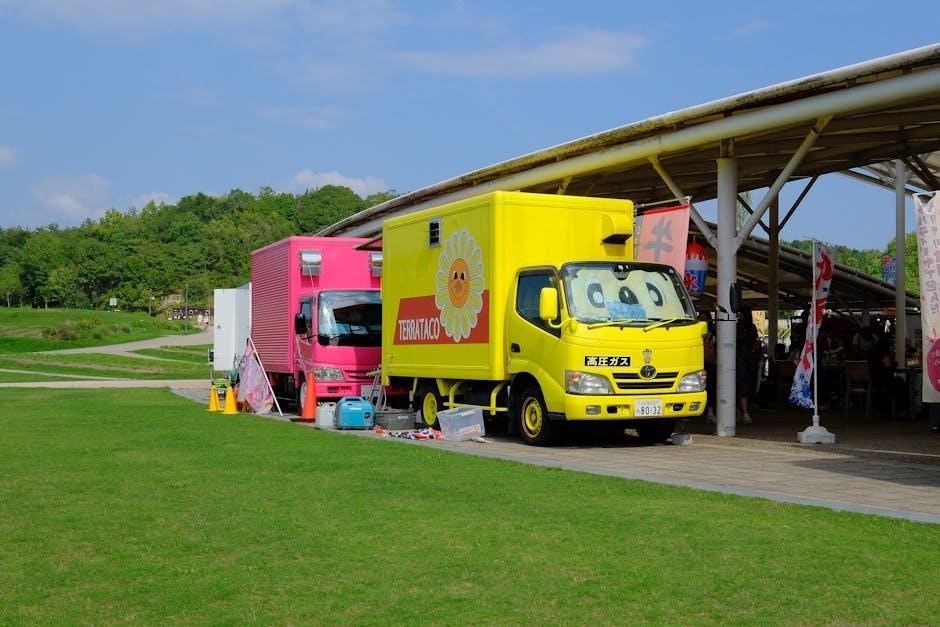
Operating a food truck within the city of Sherwood, Arkansas, necessitates securing both a Sherwood Business License and an A&P (Advertising and Promotion) Permit. These are distinct requirements, each serving a different purpose in regulating mobile vending operations.
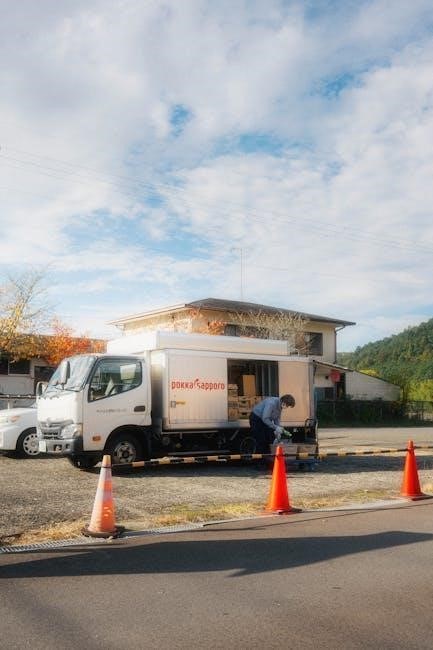
The Business License establishes your legal right to conduct business within Sherwood city limits. The A&P Permit, on the other hand, specifically addresses advertising and promotional activities associated with your food truck. Both applications require detailed information about your truck or trailer, including specifications and operational details.

During the application process, be prepared to provide comprehensive information regarding your mobile unit. This includes dimensions, equipment lists, and proof of insurance. Sherwood emphasizes the importance of complete and accurate submissions to ensure a smooth and timely approval process. Contact the Sherwood City Clerk’s office directly for the most up-to-date application forms and specific requirements.
V. North Little Rock License Reciprocity
North Little Rock offers a significant benefit to food truck operators already licensed in other Arkansas cities: license reciprocity. This means that if your food truck currently holds a valid business license from another municipality within the state, you may be eligible to obtain a North Little Rock business license without incurring additional fees.
This policy is designed to encourage mobile vending and streamline the licensing process for businesses that operate across multiple cities. However, it’s crucial to understand that reciprocity doesn’t automatically guarantee approval. Your existing license will be reviewed to ensure it meets North Little Rock’s standards and requirements.
To take advantage of this reciprocity, you’ll need to present a copy of your current, valid Arkansas city business license during your application. Contact the North Little Rock City Clerk’s office for clarification on specific documentation needed and to confirm eligibility. Questions regarding the process can be addressed directly to ensure a seamless application experience.
VI. Arkansas Department of Health Permits
Operating a food truck in Arkansas necessitates securing permits from the Arkansas Department of Health (ADH), regardless of municipal licensing. These permits ensure adherence to stringent food safety standards, protecting public health and maintaining the integrity of the food service industry within the state.
The ADH permit is specifically required for any mobile unit intending to sell food, including those handling Time/Temperature Control for Safety (TCS) foods. This encompasses raw ingredients, prepared dishes, ice, and beverages – essentially, anything requiring temperature control to prevent bacterial growth.

The permitting process involves submitting a detailed application, providing information about your menu, food handling procedures, water source, and waste disposal methods. A copy of your ADH permit approval date must be included with other documentation. Successful applicants will demonstrate a commitment to safe food handling practices and a thorough understanding of relevant regulations.
VII. Time/Temperature Control for Safety (TCS) Food Permits
Arkansas mandates specific permitting for food trucks handling Time/Temperature Control for Safety (TCS) foods, recognizing the heightened risk of foodborne illness associated with these items. TCS foods require precise temperature management to inhibit bacterial growth, making adherence to regulations paramount.
This category encompasses a wide range of products, including meats, poultry, dairy, seafood, and cooked vegetables. Essentially, if a food needs refrigeration or heating to remain safe for consumption, it falls under TCS classification. Obtaining the appropriate permit from the Arkansas Department of Health is non-negotiable for vendors dealing with these items.
The TCS food permit application process scrutinizes your food handling procedures, ensuring proper cooling, heating, holding, and reheating protocols are in place. Demonstrating a comprehensive understanding of temperature danger zones and safe food storage practices is crucial for approval.
VIII. Food Handler Certification
Arkansas state law mandates that all individuals involved in the preparation and service of food within a food truck obtain a valid food handler certification. This requirement underscores the state’s commitment to public health and safety, ensuring that food handlers possess the fundamental knowledge to prevent foodborne illnesses.

The certification process typically involves completing an approved food safety course and passing an examination. These courses cover essential topics such as proper handwashing techniques, safe food storage, temperature control, cross-contamination prevention, and allergen awareness. Numerous online and in-person training options are available to accommodate diverse schedules.
Importantly, Arkansas legislation stipulates that the cost of the food handler test and subsequent license must not exceed $15. This affordability measure aims to ensure accessibility for all food service workers, regardless of their financial circumstances, promoting a well-trained and certified workforce throughout the state’s mobile vending industry.
IX. Arkansas Food Handler License Cost Regulations
Understanding the financial implications of food handler certification is crucial for Arkansas food truck operators and their employees. Arkansas state law specifically addresses the cost associated with obtaining a food handler license, prioritizing accessibility for all individuals working within the food service industry.
The legislation clearly states that the examination fee and the subsequent license cost combined must not exceed fifteen dollars ($15). This price cap is designed to remove financial barriers, ensuring that anyone employed in a restaurant or mobile food vending operation can afford to become certified in safe food handling practices.
This regulation reflects a commitment to public health, recognizing that a well-trained and certified food service workforce is essential for preventing foodborne illnesses. Operators should verify that any chosen training provider adheres to this cost limitation, protecting their employees from excessive fees and promoting a culture of food safety throughout Arkansas’ thriving food truck scene.
IX. Required Documentation for Permits
Securing the necessary permits for your Arkansas food truck requires meticulous preparation and submission of specific documentation to the Arkansas Department of Health. Applicants must demonstrate full compliance with state regulations to ensure the safety and legality of their mobile food operations.
A critical component of the application process is providing a copy of your Department of Health permit approval. This confirms that your food truck meets the stringent sanitation and safety standards established by the state. Furthermore, applicants are required to complete and submit an official application form, accurately detailing all aspects of their business.

Essential documentation also includes comprehensive information about the food truck itself – including its make, model, and dimensions – alongside a clear statement of certification under penalty of false statement. Thorough preparation of these documents streamlines the permitting process, allowing entrepreneurs to focus on launching and growing their Arkansas food truck ventures.
X. Arkansas Department of Health Permit Approval Date

The Arkansas Department of Health (ADH) permit approval date is a pivotal marker in the food truck authorization process, signifying official clearance to operate legally within the state. This date confirms that your mobile food unit has successfully undergone rigorous inspection and meets all established health and safety standards.
Attaching a copy of your approved ADH permit to your application is mandatory. This documentation serves as verifiable proof of compliance, assuring both local authorities and potential customers that your food handling practices are safe and sanitary. The permit details specific operational parameters and conditions that must be consistently maintained.
Maintaining a readily accessible record of your permit approval date is crucial for annual renewals and routine inspections. Demonstrating a history of consistent compliance streamlines future permitting processes and fosters a positive relationship with regulatory bodies. Accurate record-keeping is paramount for sustained, lawful operation of your Arkansas food truck.
XI. Mobile Vendor Application & Annual Licensing
Each mobile vendor intending to operate a food truck in Arkansas is required to complete a comprehensive application process and secure an annual business license. This licensing ensures adherence to state and local regulations, safeguarding public health and maintaining fair business practices within the mobile vending sector.
The application typically necessitates detailed information about the food truck itself – including dimensions, equipment, and operational layout – alongside specifics regarding the business owner, menu offerings, and intended operating locations. Thoroughness and accuracy are vital to avoid processing delays.
Annual license renewal is a critical component of continued operation. Vendors must demonstrate ongoing compliance with all applicable regulations, potentially including updated inspections and proof of current permits. Failure to renew promptly can result in operational suspension and associated penalties. Consistent adherence to licensing requirements is fundamental for sustained success.
XII. Food Truck Inspections
Food truck inspections in Arkansas are a crucial element of ensuring public safety and upholding food sanitation standards. These inspections, conducted by city and state authorities, assess various aspects of the mobile food operation, from food handling practices to equipment maintenance and overall cleanliness.
Inspectors meticulously evaluate adherence to Time/Temperature Control for Safety (TCS) food guidelines, proper handwashing protocols, and the prevention of cross-contamination. They also verify the presence of required permits and licenses, ensuring all documentation is current and readily available for review.
While routine inspections are scheduled, the City retains the discretion to conduct unannounced inspections at any time. Maintaining a consistently high level of cleanliness and compliance is therefore paramount. Corrective actions are often required to address any identified violations, with follow-up inspections to confirm resolution.
XIII. Inspection Frequency and Discretion
The frequency of food truck inspections in Arkansas isn’t rigidly defined by a set schedule. Instead, the City maintains considerable discretion in determining when and how often inspections occur. While some vendors may experience regular, predictable inspections, others may be subject to more frequent or spontaneous checks.
This discretionary approach allows authorities to focus resources on areas of higher risk or in response to specific complaints. Factors influencing inspection frequency can include the type of food served, the volume of business, and the vendor’s past compliance record.
It’s crucial for food truck operators to consistently adhere to all regulations, regardless of inspection schedules. Proactive self-inspections and diligent maintenance are vital. The City’s ability to conduct inspections “at the discretion of the City” underscores the importance of continuous compliance, not just preparation for scheduled visits.

XIV. Arkansas Food Trailer Braking System Requirements
Arkansas law establishes specific braking system requirements for food trailers, prioritizing highway safety. These regulations are directly tied to the trailer’s gross weight – the total weight of the trailer and its contents. Understanding these mandates is crucial for legal operation and preventing potential accidents.
Specifically, Arkansas mandates that any food trailer exceeding a gross weight of 3,000 pounds must be equipped with its own independent braking system. This isn’t simply a recommendation; it’s a legal requirement. The braking system must be functional and regularly maintained to ensure reliable stopping power.
Operators should verify their trailer’s gross weight and ensure compliance with this regulation. Failure to adhere to these braking system requirements can result in citations, fines, and potentially, the suspension of operating privileges. Proper documentation of the braking system’s installation and maintenance is also advisable.
XV. Braking System Mandates (Over 3,000 lbs)
For Arkansas food trailers tipping the scales over 3,000 pounds gross vehicle weight, the state’s braking system mandates are non-negotiable. These aren’t suggestions for safety; they are legally binding requirements designed to protect all road users. Compliance is paramount to avoid penalties and ensure lawful operation.
The core mandate dictates that trailers exceeding this weight threshold must possess a fully functional, independent braking system. This system cannot rely on the towing vehicle’s brakes alone. It needs to be a separate, self-contained unit capable of effectively slowing and stopping the trailer.
Regular inspections and maintenance of the braking system are also implicitly required. Operators are responsible for ensuring the system remains in optimal working condition. Documentation of these inspections and any repairs is highly recommended. Ignoring these mandates can lead to substantial fines, operational shutdowns, and potential legal repercussions. Prioritizing brake safety is a critical aspect of responsible food truck operation in Arkansas.
XVI. Understanding Arkansas Food Regulations
Success in the Arkansas mobile food vending landscape isn’t solely about culinary skill; a deep understanding of the state’s food regulations is equally vital. Entrepreneurs must navigate a complex interplay between consumer demand, stringent regulations, and the underlying principles of food science to thrive.
Arkansas regulations aren’t merely bureaucratic hurdles. They are designed to safeguard public health, ensuring food safety from preparation to service. This encompasses everything from proper food handling techniques and temperature control to sanitation standards within the food truck itself. Ignoring these regulations can lead to hefty fines, license suspension, or even closure.
Furthermore, understanding the science behind food preservation and spoilage is crucial. Knowing how different ingredients react under varying conditions, and adhering to time/temperature control guidelines, is paramount. A successful food truck operator isn’t just a cook; they are a food safety manager, a logistics expert, and a keen observer of consumer preferences, all operating within the bounds of Arkansas law.
XVII. Consumer Demand, Regulations, and Food Science
The dynamic intersection of consumer demand, Arkansas’s food regulations, and the principles of food science dictates success for any mobile food vendor. Operators must skillfully balance what customers crave with the legal requirements for safe food handling and preparation. Ignoring any one of these elements risks failure.
Consumer preferences are constantly evolving, demanding menu innovation and adaptability. However, this innovation must always occur within the framework of Arkansas Department of Health guidelines and city-specific ordinances. Regulations aren’t arbitrary; they’re rooted in food science, designed to prevent foodborne illnesses and ensure public safety.
A thorough grasp of time/temperature control for safety (TCS) foods is essential. Understanding how quickly bacteria grow at different temperatures, and implementing proper cooling, heating, and holding procedures, is non-negotiable. Simultaneously, staying attuned to local tastes and trends allows operators to offer appealing, compliant menu items, maximizing profitability and customer satisfaction.
XVIII. Resources for Starting a Food Truck Business
Aspiring food truck entrepreneurs in Arkansas have access to a wealth of resources designed to facilitate a smooth and legally compliant launch. The Arkansas Small Business and Technology Development Center (ASBTDC) stands as a premier starting point, offering invaluable guidance and support.
ASBTDC provides a comprehensive suite of e-books and guides, freely accessible on their website (asbtdc.org/e-books). These resources cover critical aspects of business formation, including a detailed “New Business Guide: How to Start in 6 Steps.” This guide specifically addresses license, permit, and tax requirements for Arkansas small businesses, streamlining the often-complex process.
Beyond ASBTDC, local city clerk offices are crucial for understanding specific municipal regulations. Networking with existing food truck owners can also provide practical insights and advice. Thoroughly utilizing these resources minimizes potential pitfalls and maximizes the chances of building a thriving mobile food business in Arkansas, ensuring adherence to all state and local mandates.
XIX. ASBDC E-Books and Guides
The Arkansas Small Business and Technology Development Center (ASBTDC) offers a robust collection of downloadable e-books and guides specifically tailored to assist entrepreneurs navigating the complexities of starting and operating a business within the state. These resources are freely available to the public via the ASBTDC website (asbtdc.org/e-books), providing accessible and practical information.
Among the most valuable resources is the “New Business Guide: How to Start in 6 Steps.” This comprehensive guide meticulously outlines the essential phases of business launch, with a dedicated section focusing on the critical aspects of license, permit, and tax requirements specific to Arkansas. It simplifies the process of understanding and fulfilling legal obligations.
Furthermore, ASBTDC’s guides delve into specialized areas, offering detailed insights into financial management, marketing strategies, and operational best practices. Utilizing these resources empowers aspiring food truck owners with the knowledge needed to establish a compliant and sustainable business, minimizing risks and maximizing potential for success.
XX. New Business Guide: 6-Step Startup Process
Embarking on a food truck venture in Arkansas requires a systematic approach. The ASBTDC’s “New Business Guide” breaks down the startup process into six manageable steps, providing a clear roadmap for aspiring entrepreneurs. The initial phase focuses on conceptualizing your business, defining your target market, and developing a comprehensive business plan.
Step two centers on legal structure selection – sole proprietorship, partnership, or corporation – each carrying distinct implications for liability and taxation. The third step involves registering your business name and obtaining a Federal Employer Identification Number (EIN) from the IRS. Crucially, steps four and five detail the intricate process of securing the necessary licenses and permits, including city-specific requirements and Arkansas Department of Health approvals.
Finally, step six emphasizes establishing financial systems, securing funding, and implementing effective marketing strategies. This guide serves as an invaluable resource, streamlining the startup journey and ensuring compliance with Arkansas’s regulatory landscape.
XXI. License, Permit, and Tax Requirements Overview
Successfully launching a food truck in Arkansas necessitates navigating a complex web of licenses, permits, and tax obligations. At the local level, securing a business license from the city or county where you operate is paramount, often coupled with an A&P (Advertising & Promotion) permit, as seen in Sherwood. North Little Rock offers reciprocity, waiving license fees for businesses already licensed elsewhere in the state.
State-level requirements include permits from the Arkansas Department of Health, particularly for Time/Temperature Control for Safety (TCS) foods. Food handler certification is also mandatory, with a state-imposed cost cap of $15 per license. Beyond these, standard Arkansas business taxes apply, encompassing income tax, sales tax, and potentially franchise tax depending on your business structure.
Understanding these interwoven requirements is crucial for legal operation. Resources like the ASBTDC’s e-books provide detailed guidance, ensuring compliance and avoiding costly penalties. Careful planning and diligent adherence to these regulations are key to a thriving food truck business.