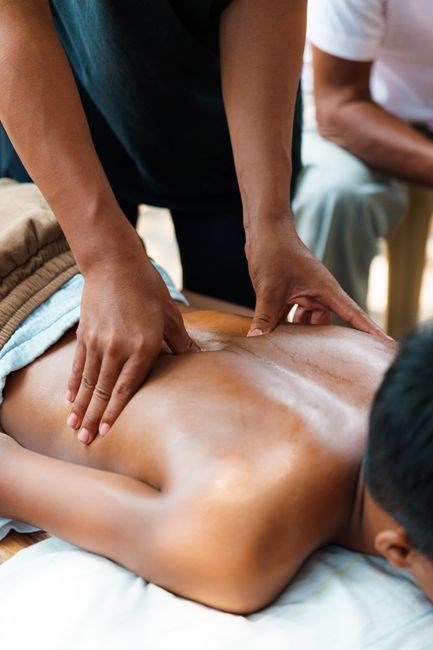
Discover the fundamentals of massage in this concise guide, designed for beginners and seasoned practitioners alike․ It outlines basic strokes, safety tips, and the benefits of regular sessions, ensuring a solid foundation for effective, relaxing treatments․ The guide covers hygiene tool selection!
Purpose and Scope
The purpose of this PDF is to provide a clear, concise introduction to basic massage techniques for beginners and seasoned therapists alike․ It outlines foundational strokes, safety guidelines, and the therapeutic benefits of regular practice․ The guide covers muscle anatomy, touch mechanics, and a logical sequence of movements that build a solid base for further study․ By offering step‑by‑step instructions, diagrams, and dosage tips, it empowers users to deliver effective, safe, and relaxing sessions․

Beyond technique, the guide stresses the importance of tailoring pressure to each client’s needs, recognizing contraindications, and upholding professional boundaries․ It highlights massage’s role in boosting circulation, easing muscle tension, enhancing joint mobility, and supporting the nervous system․ The PDF is portable, printable, and easy to reference on the go, making it a valuable companion for workshops, clinics, and home practice․
The PDF’s concise format, combined with visual aids and practical tips, facilitates rapid skill acquisition and confidence building․ Whether used as a study aid, a quick reference, or a teaching tool, this guide stands as a valuable resource for anyone committed to mastering the fundamentals of massage and applying them with care and professionalism․
Also included is a reference sheet summarizing key strokes and pressure levels․ The sheet can be printed and kept beside the table for recall, ensuring each session remains safe, effective, and adapted daily to every client’s evolving needs․
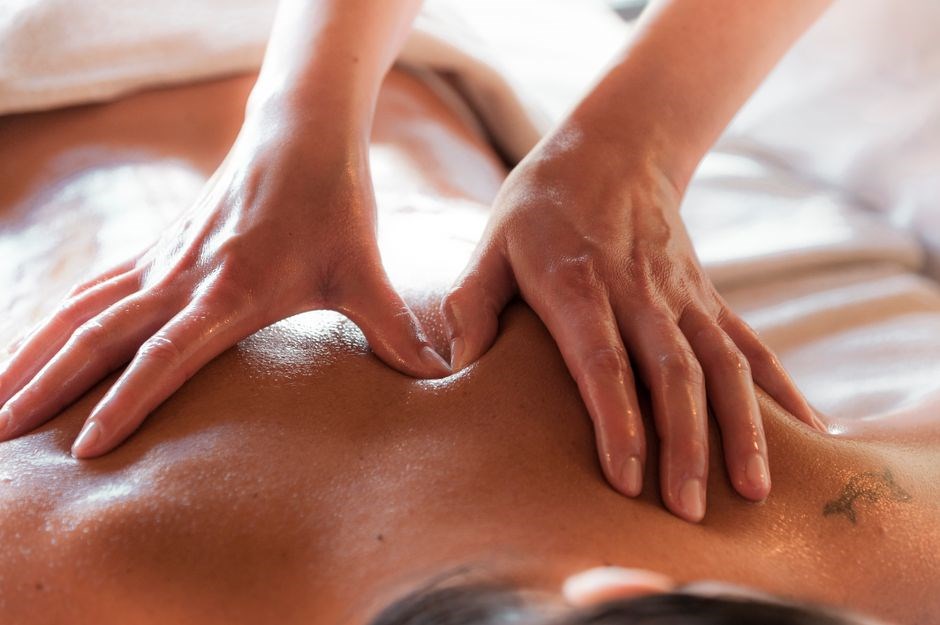
Basic Principles of Massage
Fundamental concepts guide every stroke: respect for anatomy, controlled pressure, rhythmic flow, and client comfort․ These principles ensure safety, effectiveness, and a therapeutic experience that promotes relaxation, circulation, and muscular balance․ Stay calm․
Understanding Muscle Anatomy
Muscle anatomy is the foundation for effective massage․ Muscles are composed of bundles of fibers that contract to produce movement․ There are three main types: skeletal, smooth, and cardiac․ For massage, skeletal muscle is the focus․ Skeletal muscles attach to bone via tendons, creating a lever system that allows joint movement․ Each muscle fiber is wrapped in connective tissue called fascia, which provides support and facilitates sliding between tissues․ The arrangement of fibers—whether parallel, pennate, or circular—determines the muscle’s strength and range of motion․ Muscle fibers receive oxygen and nutrients through a rich network of capillaries, and they are innervated by motor neurons that trigger contraction․ Understanding the orientation of fibers and the depth of fascia helps a therapist apply appropriate pressure and stroke direction․ Common muscle groups such as the trapezius, latissimus dorsi, quadriceps, hamstrings, and gluteals have distinct shapes and functions․ Knowing how these muscles cross joints and interact with surrounding tissues enables targeted release of tension and improved circulation․ In practice, a therapist maps the muscle’s course, identifies trigger points, and considers the muscle’s role in posture and movement before selecting techniques․ Mastery of muscle anatomy enhances safety, effectiveness, and the overall therapeutic outcome of a massage session․ This knowledge guides therapists to tailor strokes, enhancing relaxation and recovery!!
Preparing the Workspace
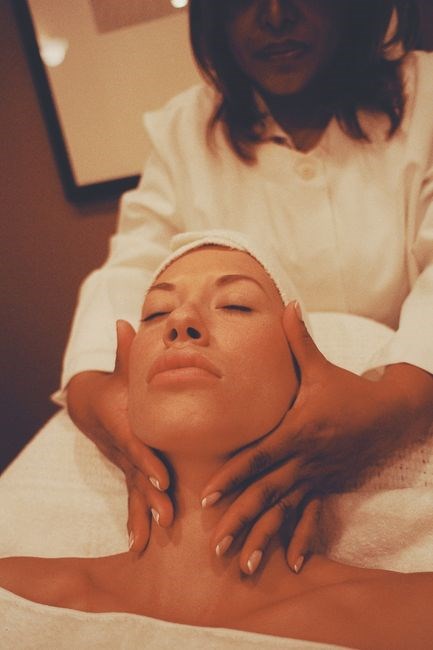
Set a calm, clutter‑free area with a clean, supportive table․ Use a neutral, soothing color scheme, adequate lighting, and gentle background music․ Ensure temperature comfort, provide fresh linens, towels, and a small trash bin for used items․ Keep all tools within reach․ All surfaces cleaned․
Environment and Hygiene
Creating a safe, serene setting is essential for effective massage․ Begin by selecting a quiet, well‑ventilated room with adjustable lighting to suit the client’s mood․ Maintain a comfortable temperature—ideally between 20–24 °C—to prevent muscle stiffness․ Use high‑quality, machine‑washed linens and fresh towels for each session, changing them immediately after use․ All surfaces—including the massage table, chairs, and any props—should be wiped with a mild, fragrance‑free disinfectant before and after treatment․ Personal hygiene is equally important: wash hands thoroughly, wear clean gloves when necessary, and keep a small supply of hand sanitizer nearby․ Dispose of used towels and any disposable items in a sealed bag to avoid cross‑contamination․ Keep the workspace clutter‑free, with only essential tools within arm’s reach, and ensure that any electronic devices are turned off or silenced to minimize distractions․ By adhering to these environmental and hygiene protocols, you establish a professional, trustworthy atmosphere that promotes relaxation and healing․
Additionally, schedule regular deep cleaning of the entire area, including floor, walls, and ventilation ducts, to reduce allergens․ Use hypoallergenic, pH‑balanced cleaning solutions that are safe for skin contact․ If the client prefers, offer a choice of essential oil blends, ensuring they are not allergenic․ Provide a small, discreet waste bin for used gloves and tissues, and replace it daily․ Finally, maintain a log of cleaning times and materials used to comply with health regulations and to reassure clients of your commitment to safety․
All procedures should be documented to ensure traceability and client confidence․ Regular audits reinforce safety standards and promote continuous improvement․ Staff training is․
Essential Tools and Materials
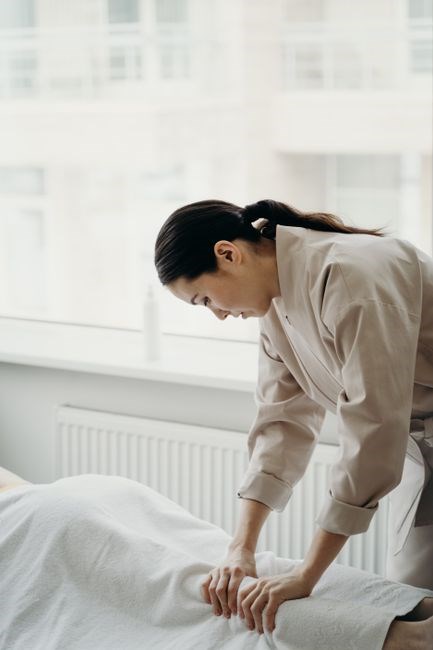
Key items include a sturdy massage table, clean linens, a selection of therapeutic oils, a set of firm, smooth massage stones, a small basin for warm water, and a reliable timer․ Keep a first‑aid kit, disposable gloves, and a waste bin nearby for hygiene․ Enjoy
Oils, Props, and Accessories
Choosing the right oils is essential for a successful massage session․ Light, non‑greasy blends such as sweet almond, grapeseed or jojoba provide a smooth glide while allowing the therapist’s hands to move freely․ For deeper work, a thicker blend of coconut or shea butter can be warmed and applied in small amounts to reduce friction and enhance tissue relaxation․
Props play a pivotal role in maintaining posture, reducing strain, and providing support․ A massage table with adjustable height and a padded headboard ensures a stable surface․ A set of firm, smooth massage stones—often made from basalt or jade—can be warmed to 40–45°C and placed under the client’s shoulders or lower back to relieve tension․
Accessories such as a timer, a small basin for warm water, and a reliable source of clean, disposable gloves are indispensable․ A timer helps maintain consistent session lengths and allows the therapist to pace the work․ A basin filled with warm water can be used to rinse hands or to soak the client’s feet for a calming effect․
All tools should be inspected before each session for cleanliness, integrity, and proper function․ Replacing worn or damaged items prevents injury and maintains a professional standard․ By carefully selecting oils, props, and accessories, therapists can create a safe, effective, and enjoyable massage experience that meets the needs of both practitioner and client alike․ Remember to store in a dry, cool place to preserve quality․!
Warm‑Up Techniques
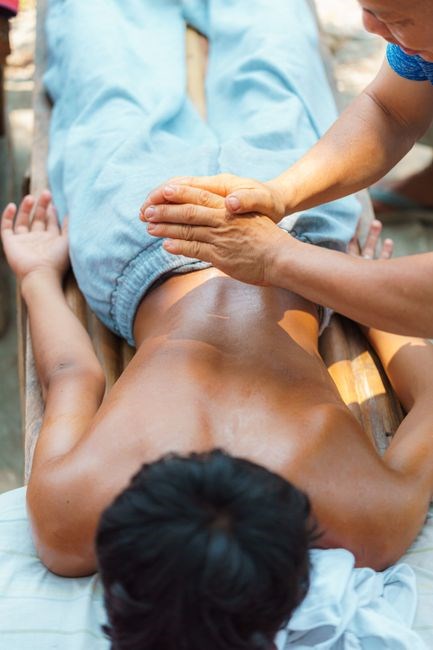
Begin with gentle effleurage across the back, using long, flowing strokes to warm the tissues․ Gradually increase pressure, focusing on muscle groups․ Incorporate light mobilization of joints, rotating shoulders and ankles to improve circulation before deeper work․ Enjoy․․!
Light Strokes and Mobilization
Light strokes introduce the massage, priming muscles for deeper work․ Begin with the client lying comfortably, aligning the spine․ Using the heel of the hand, glide slowly over the skin in long, sweeping motions from the lower back upward to the shoulders, encouraging circulation and relaxation․ This rhythmic motion eases tension and sets a calm tone․ Next, gentle mobilization prepares joints․ For the cervical spine, rotate the head side‑to‑side, keeping the pace steady․ In the thoracic region, perform subtle flexion and extension, allowing vertebrae to glide naturally․ The lumbar area benefits from a gentle rocking motion: apply light pressure to the lower back and rock the pelvis forward and backward, promoting joint lubrication․ In the limbs, mobilize shoulders, elbows, wrists, hips, knees, and ankles with controlled movements—abduction, adduction, flexion, extension, dorsiflexion, and plantarflexion—ensuring each motion stays pain‑free․ Throughout, maintain a steady rhythm and consistent pressure․ The goal is to ready the body for more intensive techniques, ensuring tissues are receptive and injury risk is minimized․ By the end of the warm‑up, the client feels relaxed, with increased mobility and a heightened sense of well‑being․ The therapist may also use light stretching of major muscle groups, such as the hamstrings, quadriceps, and upper back, to improve flexibility and reduce strain during deeper work․ This gentle preparation enhances the effectiveness of subsequent techniques․!!!!!!!

Core Massage Techniques
Core massage techniques focus on effleurage and petrissage, delivering rhythmic strokes that enhance circulation and relieve tension․ Effleurage uses long, gliding motions, while petrissage involves kneading to mobilize deeper tissues, promoting relaxation and improved mobility․ Enhancing relaxation․
Effleurage and Petrissage
Effleurage, the gentle, sweeping stroke, initiates contact, warms the tissue, and encourages blood flow․ It employs long, gliding movements that cover large surface areas, creating a soothing rhythm that eases nervous tension․ The hand’s weight is light, yet consistent, allowing the therapist to gauge pressure and adapt to the client’s comfort level․ Petrissage, in contrast, is a more dynamic technique that involves kneading, rolling, and lifting the muscles․ This action deepens the massage, targeting deeper layers of fascia and muscle fibers․ By applying rhythmic compression and release, petrissage stimulates circulation, reduces edema, and promotes relaxation of tight tissues․ Combining both techniques offers a balanced approach: effleurage for surface preparation and overall relaxation, followed by petrissage to address deeper muscular tension and enhance lymphatic drainage․ Mastery of these strokes requires practice, sensitivity to client feedback, and an understanding of anatomy to avoid overstimulation․ Proper sequencing—starting with effleurage, transitioning to petrissage, and concluding with a gentle effleurage—ensures a therapeutic flow that maximizes benefits while maintaining client comfort and safety․ In practice, therapists often tailor the rhythm and pressure to each client’s unique response, using subtle adjustments to avoid discomfort while maximizing therapeutic outcomes․ Continuous observation and open communication ensure that the massage remains both effective and enjoyable․ This fosters well‑being daily Calm․
Targeted Pressure Techniques
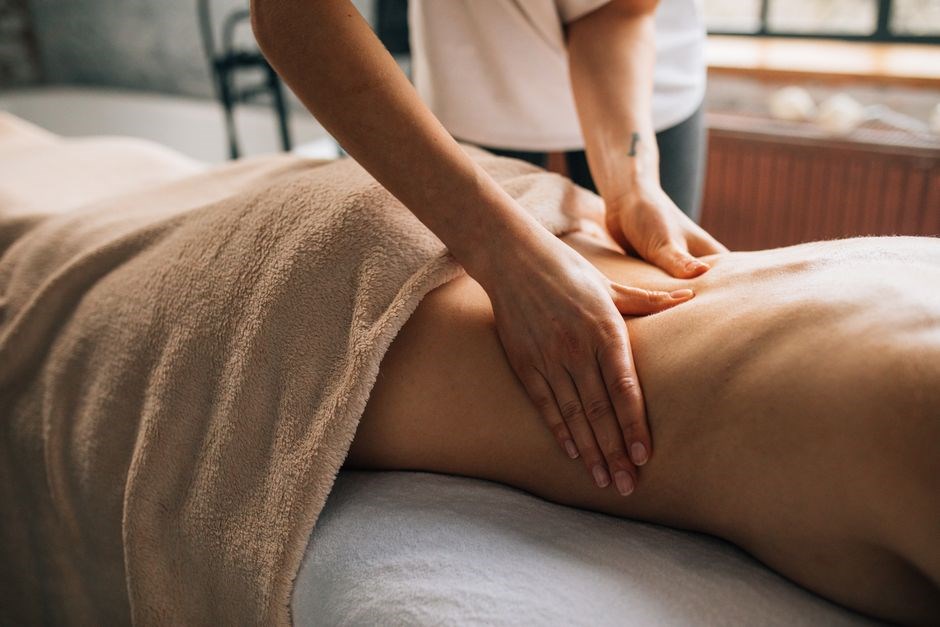
Focused pressure methods target specific muscle groups, relieving tension and enhancing circulation․ Techniques such as compression, friction, and trigger‑point release are applied with controlled force, adapting to individual sensitivity optimal therapeutic impact․
Compression and Trigger Points
Compression is a precise technique that applies sustained pressure to a specific muscle segment, promoting blood flow and easing tightness․ By adjusting force and duration, therapists can target fibrous bands and relieve localized pain․ The method requires a firm yet controlled hand, often using fingertips or knuckles, and a continuous rhythm to avoid sudden strain․
Trigger points are hyperirritable spots within taut muscle fibers that refer pain to distant areas․ Identifying these points involves palpation and patient feedback․ Once located, a therapist applies steady pressure, holding until the muscle relaxes or the referred pain diminishes․ The pressure may be released gradually, allowing the tissue to reset and reduce sensitivity․
Combining compression with trigger‑point release creates a synergistic effect․ The sustained pressure loosens adhesions, while the trigger‑point technique breaks down knots․ Therapists often alternate between gentle strokes and firm compression, tailoring intensity to the client’s tolerance․ This balanced approach enhances circulation, reduces inflammation, and restores functional range of motion․
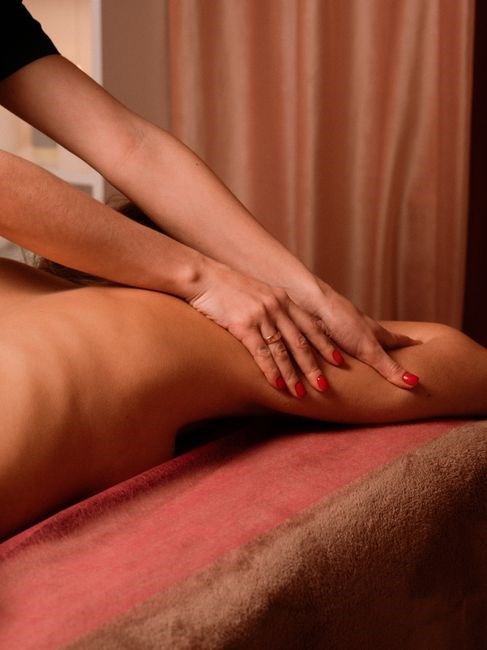
After the session, clients should hydrate and perform light stretching to maintain benefits․ A follow‑up assessment can determine if additional compression or trigger‑point work is necessary․ Consistency over weeks leads to lasting relief, improved posture, and decreased risk of repetitive strain injuries․
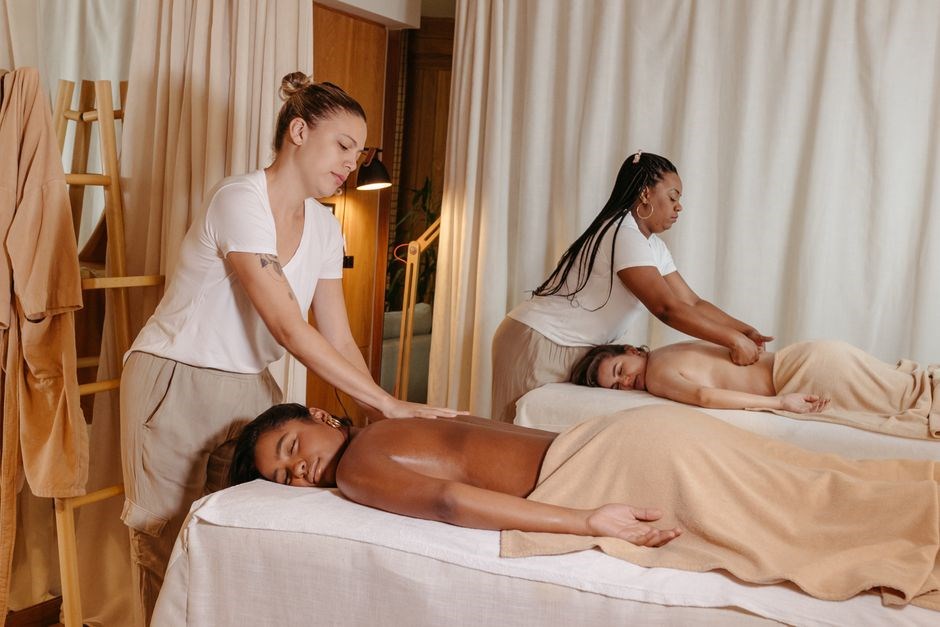
In practice, therapists monitor the client’s response, adjusting pressure intensity to balance comfort and therapeutic effect․ A common approach involves alternating between deep compression and lighter strokes to stimulate lymphatic drainage․ Clients often report immediate relaxation, while long‑term benefits include improved posture, decreased muscle stiffness, and enhanced joint mobility․ Proper technique ensures safety and maximizes outcomes․
Clients should follow up with stretching and adequate hydration to reinforce the benefits achieved during compression and trigger‑point work․